




Uttering a Forged Instrument
Uttering a forged instrument is a serious fraud offense in Florida involving the use, presentation, or attempted use of a document that the person knows is false. Unlike forgery, which focuses on creating or altering a document, uttering a forged instrument centers on passing or presenting the forged item as genuine.
These cases frequently arise from allegations involving checks, contracts, identification documents, financial records, deeds, or electronic records. Prosecutors aggressively pursue uttering charges because they involve deception and potential financial harm, even when the accused did not create the forged document themselves.
If you are being investigated or charged with uttering a forged instrument in Florida, the consequences can be severe. A conviction can result in prison time, fines, restitution, and a permanent felony record that affects employment and professional opportunities.
Gainesville Uttering a Forged Instrument Defense Lawyer
If you have been accused of uttering a forged instrument in Florida, you need to act quickly to protect your future. These cases often move fast, especially when tied to financial institutions or alleged fraud schemes.
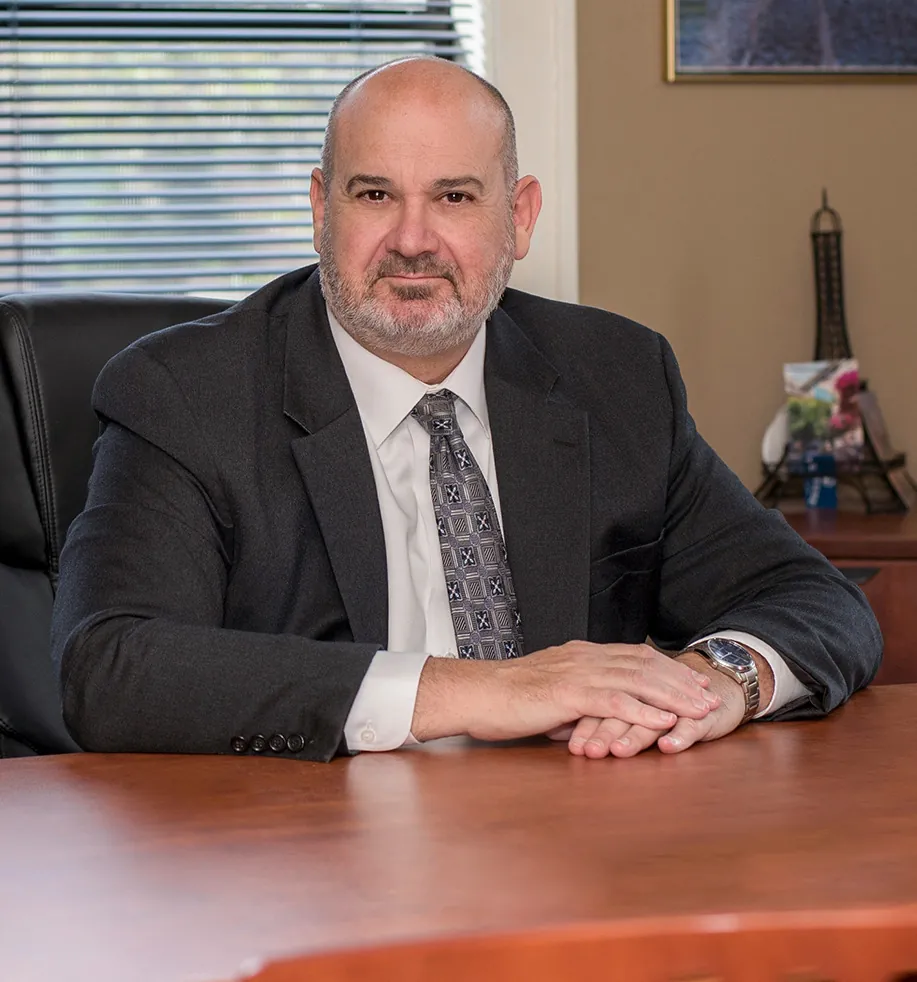
Dean Galigani of the Galigani Law Firm has years of experience defending clients in Gainesville and throughout Florida against fraud-related felony charges. He understands how prosecutors attempt to prove knowledge and intent, and how to challenge assumptions that simply presenting a document equals criminal wrongdoing.
Contact the Galigani Law Firm today at (352) 375-0812 for a free consultation if you are facing uttering a forged instrument charges in Gainesville, Ocala, Lake City, or surrounding areas.
Information Center
- Definition of Uttering a Forged Instrument Under Florida Law
- Common Allegations Leading to Uttering a Forged Instrument Charges
- Penalties for Uttering a Forged Instrument in Florida
- Defenses to Uttering a Forged Instrument Charges
- Role of a Florida Forgery Defense Attorney
- Key Elements the Jury Considers
- Frequently Asked Questions
- Additional Resources
Definition of Uttering a Forged Instrument Under Florida Law
Uttering a forged instrument in Florida is governed by Florida Statute § 831.02. The statute makes it a crime to knowingly offer, publish, pass, or attempt to use a forged document as true, with intent to injure or defraud.
To secure a conviction, prosecutors must prove:
- The document was forged
- The defendant presented or attempted to use the document
- The defendant knew the document was forged
- The defendant intended to defraud or cause harm
Importantly, a person can be charged even if the forged document was not accepted or did not result in financial loss.
Common Allegations Leading to Uttering a Forged Instrument Charges
These charges often arise from allegations involving:
- Passing or depositing forged checks
- Using forged identification or credentials
- Submitting altered financial or employment documents
- Presenting forged contracts, leases, or deeds
- Attempting to cash or negotiate forged instruments
- Using digital or electronic forged records
- Acting as an intermediary for forged documents
Many defendants are charged even when they claim they were unaware the document was fraudulent.
Penalties for Uttering a Forged Instrument in Florida
Uttering a forged instrument is generally charged as a third-degree felony, though penalties may increase in complex or high-value cases.
Third-Degree Felony: Potential penalties include:
- Up to 5 years in Florida State Prison
- Up to $5,000 in fines
- Permanent felony criminal record
Additional Consequences – Beyond incarceration and fines, a conviction may result in:
- Court-ordered restitution
- Probation with strict financial conditions
- Loss of professional licenses
- Immigration consequences for non-citizens
- Significant reputational damage
Repeat offenses or cases tied to broader fraud schemes may expose defendants to enhanced penalties.
Defenses to Uttering a Forged Instrument Charges
- Lack of knowledge that the document was forged: Knowledge is a critical element of the offense. If the defendant did not know the document was forged, criminal liability may not exist. Many individuals rely on documents provided by others without reason to suspect fraud, and prosecutors must prove actual knowledge beyond a reasonable doubt.
- No intent to defraud or injure: The statute requires intent to defraud or cause harm. Presenting a document for an innocent purpose or without deceptive intent does not satisfy this element. Defense counsel focuses on the defendant’s purpose and state of mind at the time of the alleged conduct.
- The document was not legally forged: Not every inaccurate or disputed document qualifies as a forged instrument. Clerical errors, misunderstandings, or lawful alterations may fall outside the statute. If the document does not meet the legal definition of a forgery, the charge cannot stand.
- Reliance on third parties: Many defendants are accused after relying on employers, business partners, or acquaintances who supplied the document. Lack of involvement in the creation or alteration of the document can undermine claims of knowledge and intent. This defense is especially relevant in employment and financial cases.
- Insufficient or circumstantial evidence: Prosecutors often rely on inferences rather than direct proof of knowledge. Gaps in evidence, inconsistent witness statements, or lack of corroboration can create reasonable doubt. The burden remains on the state to prove every element.
- Unlawful searches or seizures: Documents and electronic records must be obtained lawfully. If law enforcement violated constitutional protections, critical evidence may be suppressed. Without admissible proof, the prosecution’s case may collapse.
Role of a Florida Forgery Defense Attorney
- Examining the alleged forged instrument: A defense attorney carefully reviews the document itself to determine whether it legally qualifies as a forgery. Minor inaccuracies or civil disputes are often mischaracterized as criminal acts. This analysis is foundational to the defense.
- Challenging proof of knowledge and intent: Uttering cases hinge on what the defendant knew and intended. Defense counsel works to show that the accused reasonably believed the document was valid. Without proof of intent to defraud, the charge fails as a matter of law.
- Reviewing financial and transactional context: Attorneys analyze how and why the document was used. Legitimate transactions or routine business practices may explain the conduct. Context often undermines the prosecution’s narrative of fraud.
- Scrutinizing investigative methods: Defense counsel reviews how documents were obtained and how the investigation unfolded. Improper searches, defective warrants, or overbroad seizures can lead to suppression of evidence. Constitutional review is often decisive.
- Negotiating reduced charges or dismissal; When evidentiary weaknesses exist, counsel may seek dismissal, charge reduction, or alternative resolutions. Many cases resolve favorably once intent and knowledge are challenged. Early intervention is critical.
- Trial advocacy in fraud cases: If the case proceeds to trial, defense counsel challenges assumptions, cross-examines witnesses, and emphasizes reasonable doubt. Jurors must understand the distinction between forgery and innocent use of documents. Clear presentation is essential.
Key Elements the Jury Considers
To convict, the prosecution must prove beyond a reasonable doubt that:
- The document was forged
- The defendant offered, passed, or attempted to use it
- The defendant knew it was forged
- The defendant intended to defraud or cause harm
- The evidence was lawfully obtained
Failure to prove any element requires acquittal.
Frequently Asked Questions
Is uttering the same as forgery?
No. Forgery involves creating or altering a document, while uttering involves using or presenting it.
Can I be charged if the document wasn’t accepted?
Yes. Attempting to use a forged instrument is sufficient under the statute.
What if someone else gave me the document?
Lack of knowledge is a key defense and must be evaluated carefully.
Should I speak to investigators if accused?
You should consult a criminal defense attorney before making any statements.
Additional Resources
Florida Statute § 831.02 – Uttering Forged Instruments – This statute defines the offense of uttering a forged instrument and its penalties.
Florida Statute § 831.01 – Forgery – Provides the statutory definition of forgery referenced in uttering cases.
Finding an Uttering a Forged Instrument Defense Attorney in Gainesville, Florida
Uttering a forged instrument charges can arise quickly and carry serious felony consequences, even when the accused did not create the document. These cases often hinge on intent, knowledge, and context.
Dean Galigani of the Galigani Law Firm represents individuals charged with uttering a forged instrument throughout Gainesville, Alachua County, Ocala, Lake City, and surrounding areas of Florida.
If you are under investigation or facing uttering a forged instrument charges, contact the Galigani Law Firm today at (352) 375-0812 for a free consultation and immediate legal guidance.